The Silence of the Dolomites: An Alpine Monograph
Documented by the Editorial Desk • 111111 • Northern Italy
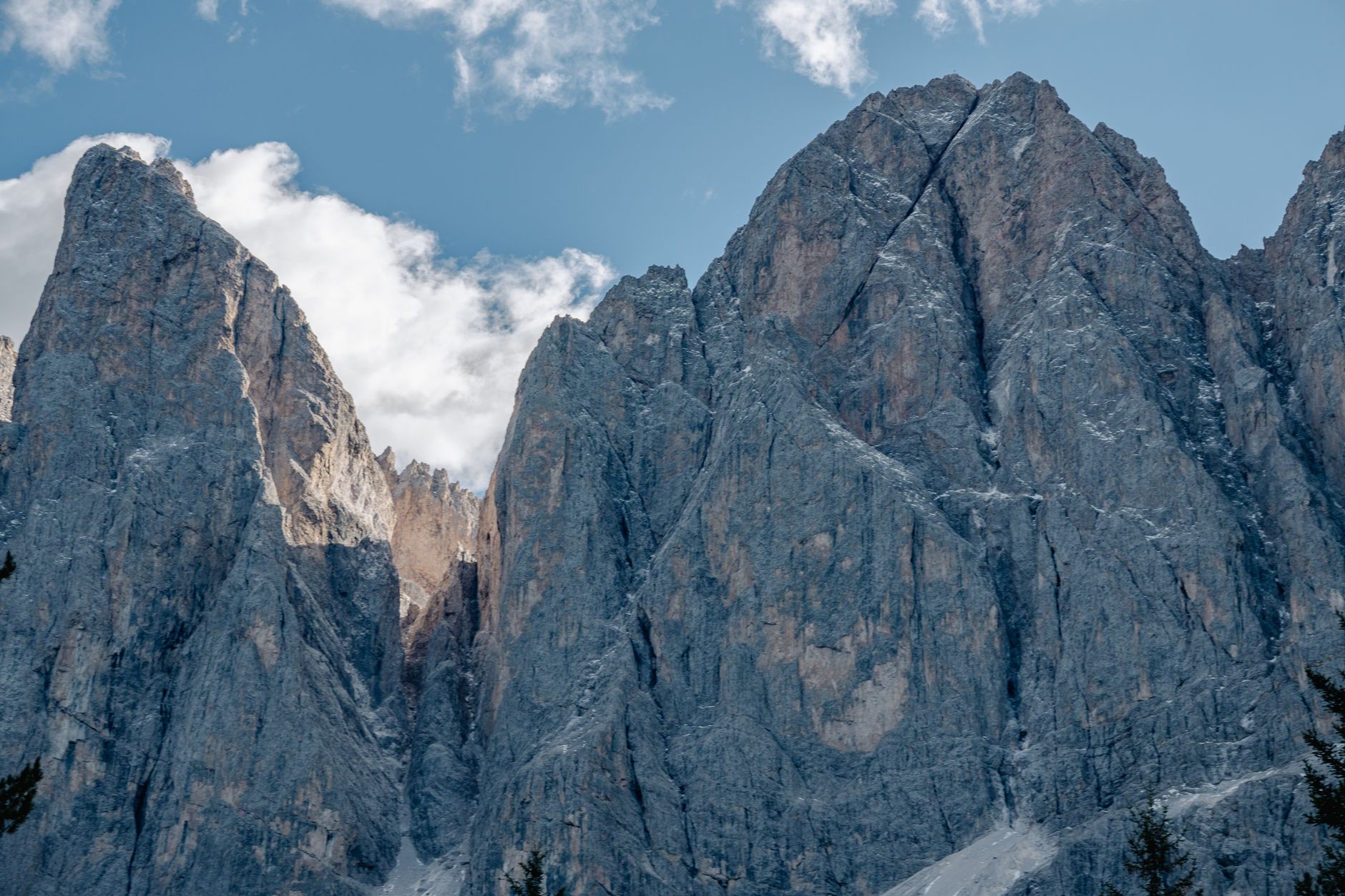
When the morning fog recedes across the Val di Funes, it reveals walls of pale magnesium limestone that have absorbed five million years of climatic tides. Here, acoustic reality changes: conversations soften into whispers, and the mechanical pulse of metropolitan life dissolves into high-altitude air.
I. The Architecture of High Altitudes
Alpine architecture in the Dolomites represents an uninterrupted dialogue between survival and geological modesty. Traditional alpine refugios—many conceived over a century ago—were built using local larch timber and mortared dolomite stone. Their low-pitched gable roofs withstand twenty metric tons of winter snowpack, while the interior spaces retain warmth through minimal glazing and centrally situated soapstone stoves.
In recent years, contemporary architects have engaged this vocabulary with renewed restraint. Rather than imposing glass-and-steel anomalies upon sacred contours, modern sanctuaries here bury their foundations into the slopes, allowing native grasses and weathered larch battens to patina alongside the jagged horizon.
Field Observation Note
"To comprehend the Dolomites, one must hike after sunset when the phenomenon of Enrosadira fades. The rock transitions from flaming amber to cold violet-gray in twelve minutes. It is the purest visual reminder of Earth's indifference to human hurry."
II. The Rhythm of Slow Ascent
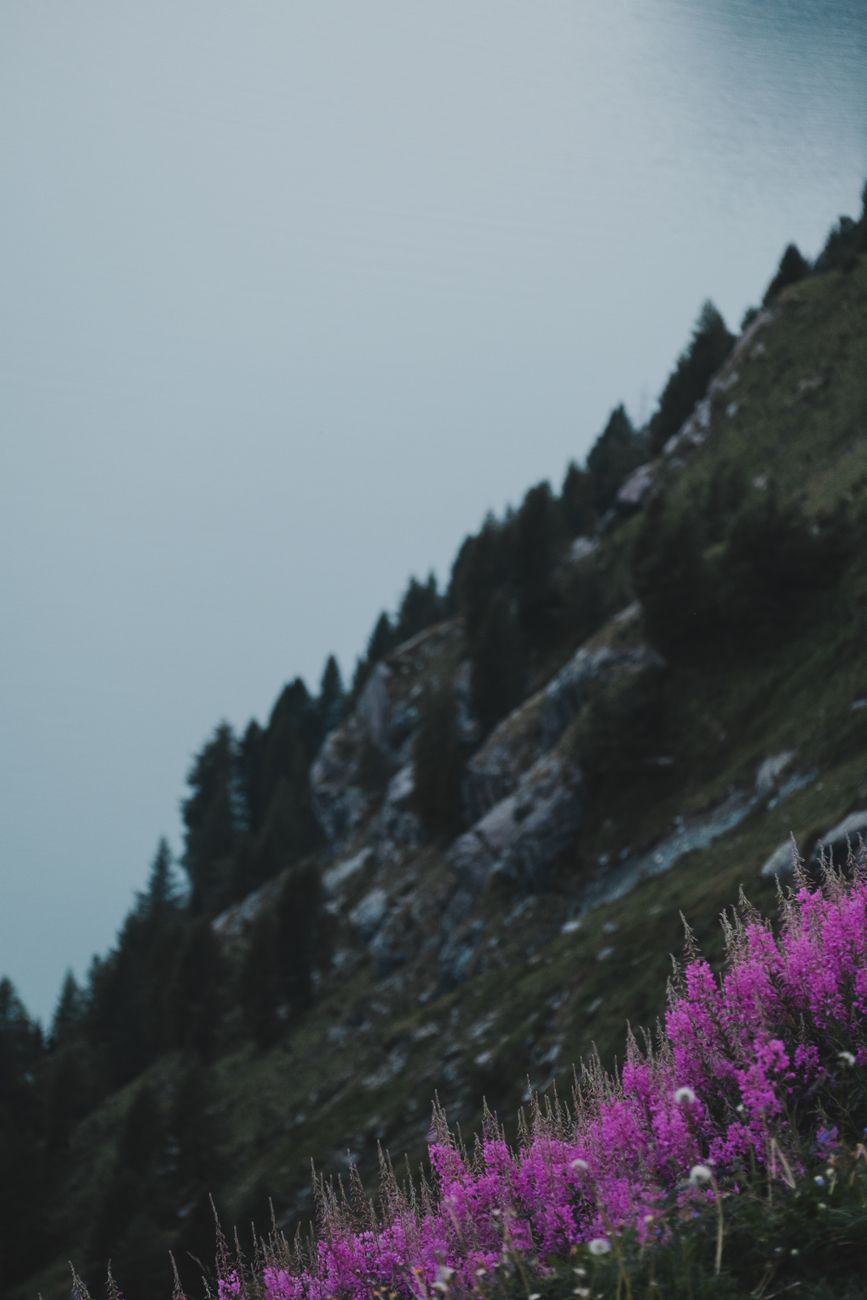
Traversing these ridges demands an unhurried cadence. We spent four consecutive days moving between the Odle Group and the Sella Massif on foot. With every vertical kilometer gained, vegetation simplifies: birch trees yield to spruce, spruce give way to dwarf pines, and eventually only lichens cling to the stone.
Dining in these isolated refugios follows centuries-old agrarian cycles. Rye bread baked twice a year, cured Speck from high pastures, and mountain cheeses cultured with wildflower enzymes constitute the cuisine. There are no redundant adornments; the luxury resides entirely in the provenance and the sheer effort required to place food upon the pine table.
III. Preparing for Contemplative Traversal
For visitors wishing to undertake this corridor with minimal friction, our editors recommend avoiding mid-summer periods. Late September through mid-October offers clear atmospheric transparency, stable thermal winds, and an absence of congested tourist convoys.
Commission the Alpine Itinerary
Receive our verified high-altitude path coordinates and private refuge contacts.